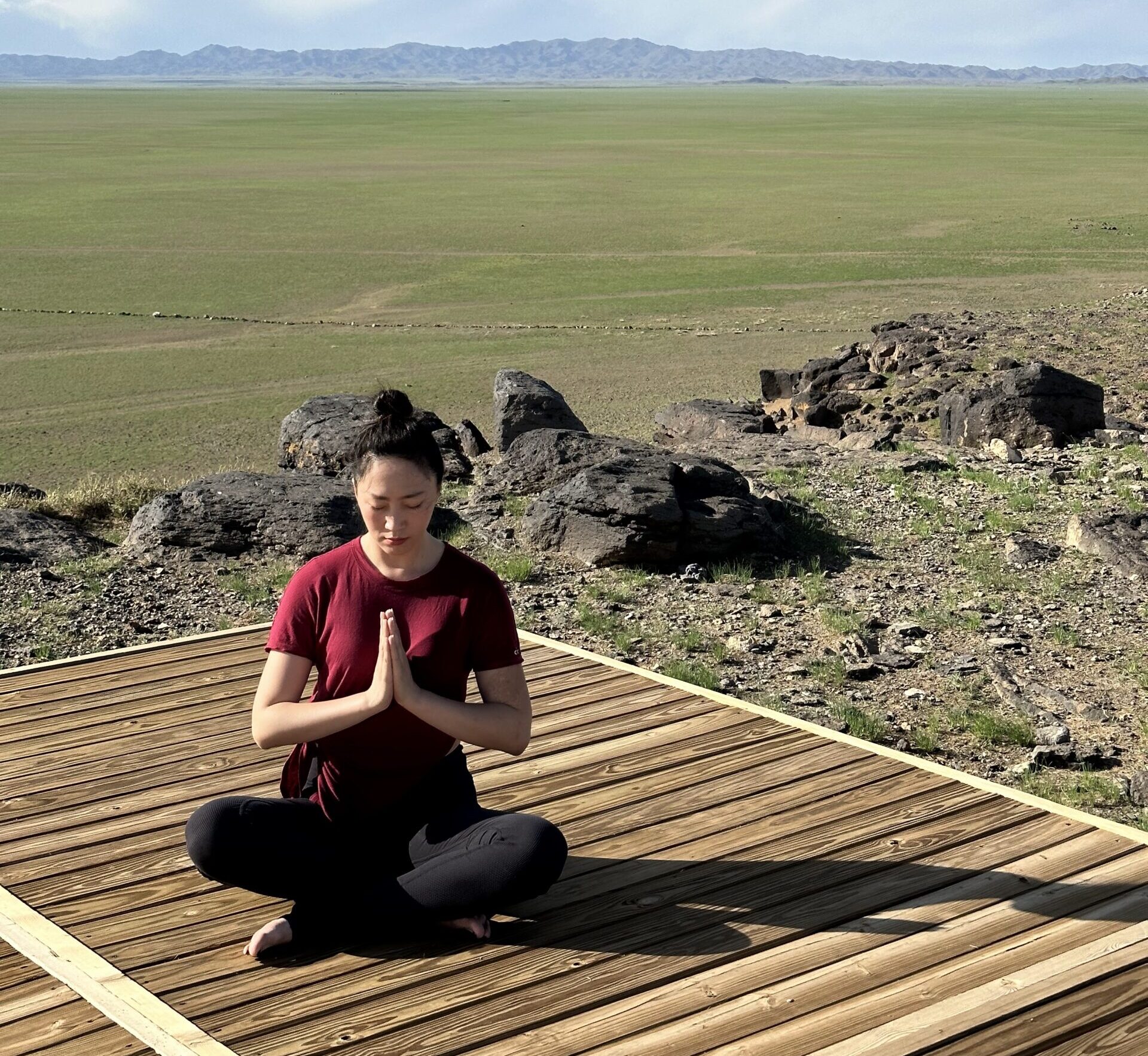
Late in the autumn, when the steppe begins to quiet and families prepare for the long winter, a decision was made to close a three-generation ger-making business in rural Mongolia.
It was no longer sustainable.
When Enkhtsetseg Boldbaatar (Flora) heard the news, she did not hesitate. She traveled over a thousand kilometers from the city to Tosontsengel, where the workshop stood—at a time when most people were leaving the countryside, returning to towns or settling into winter camps.
What she found was not just a struggling business,
but a heritage on the verge of disappearing.
Rather than letting it fade, she chose to step into it.
With no formal background in craftsmanship, but guided by conviction, Flora took on the challenge of continuing the ger-making tradition. She began working closely with local artisans, learning from within, and slowly rebuilding the path forward.
At the same time, she saw something others had overlooked.
Gers were already being supplied to tourism camps across Mongolia—
yet the makers behind them remained invisible, and their livelihoods uncertain.
From this realization, a new idea emerged.
What if the same people who built the gers could directly benefit from the travelers who stayed in them?
What if tourism could become not just a consumer of culture—but a system that sustains it?
This is how her unique model was born.
Flora began connecting ger production with tourism—designing and supplying handcrafted gers to camps, while bringing her own travelers to experience them. In doing so, she created a closed loop where heritage, livelihood, and travel support one another.
Her ability to see this connection was shaped by an unusual path.
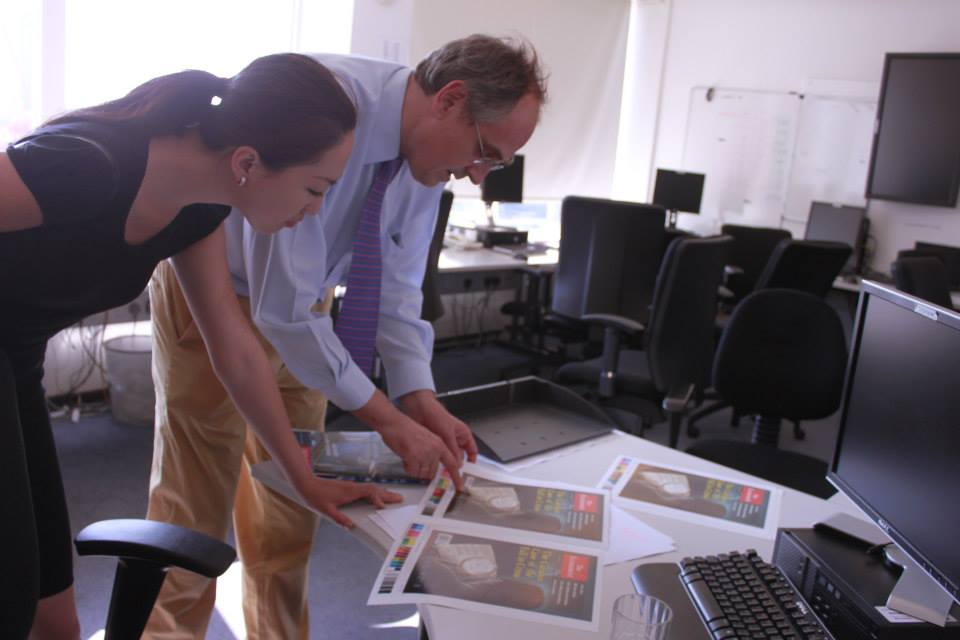
Flora spent over a decade as an economic journalist and communications consultant, working with organizations such as the World Bank and the Asian Development Bank. Her work focused on understanding systems, people, and change.
But her relationship with tourism began even earlier.
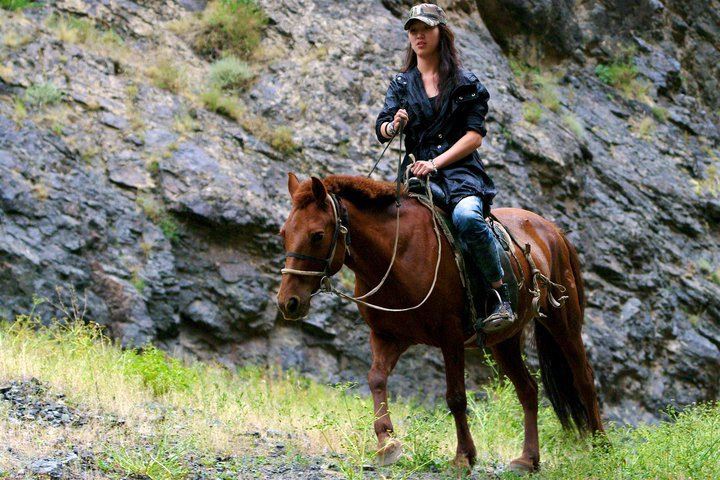
As a high school senior, she took her first steps into the industry as a tour guide—an experience that stayed with her, quietly shaping her perspective on how people encounter Mongolia.
Today, her work brings together these worlds.
Her journalistic mindset allows her to see patterns and untold connections.
Her academic pursuit in anthropology deepens her understanding of nomadic culture and its future.
And her entrepreneurial practice transforms these insights into real systems that support both people and place.
Through Steppe Mind, Flora is not only creating journeys—
she is helping redefine what tourism can be.
A space where travelers do not just visit Mongolia,
but become part of what helps it endure.